360° Virtual Tour - The Police Station and Custody Centre
Virtual Police Station
Follow what happens to a person when they report a crime to the Police or get arrested and detained in one of the Custody Centres. Take a tour round a typical Police Station and how a victim would report a crime. Take the other tour from the perspective of a suspect who has been arrested and taken to a UK Custody Centres.
Please note: Not all police stations look the same in the UK. The Police Station used is one of the oldest in the UK built in the 1800’s.
To view police stations of West Midlands Police on Google Maps please CLICK HERE
Victim – Reporting a crime to the Police
Click on the menu to visit the Front office, Interview room or see an office where Police Officers work
Custody Centre – Being arrested
In certain circumstances the suspect has to be arrested and taken to their nearest available custody centre to help establish the facts of an alleged crime.
Click on the menu to chose your 360 degree view inside a UK Custody Reception Centre to see the Holding Room, Reception Desk, Interview Room and Cell where a person is kept whist the initial investigation takes place.
To take the Virtual Tour of an average Police Station and Custody Centre here in the UK click on 'Start your virtual tour here'. You can then click or drag the panorama image round. Click on the arrows or hotspots to move around the Police Station and Custody Centre. Click on the round circle to learn more information.
Please note: Not all police stations look the same in the UK. The one used in this virtual tour is one of the oldest in the UK, built in the 1800’s.
Victim – Reporting the crime
Most police stations have a yellow telephone or intercom outside the front of the building. The telephone or intercom can be used when the Police Station is closed. There is no need to dial a number as your call will go directly to a police operator.
Most police stations in the UK are open at various times.
You will be greeted by a helpful polite enquiry officer. Who will take details to help you report a crime or incident.
If the crime or incident is of a serious nature you may see the first available police officer.
Less serious crimes may require an officer to contact you with an appointment for a secondary investigation.
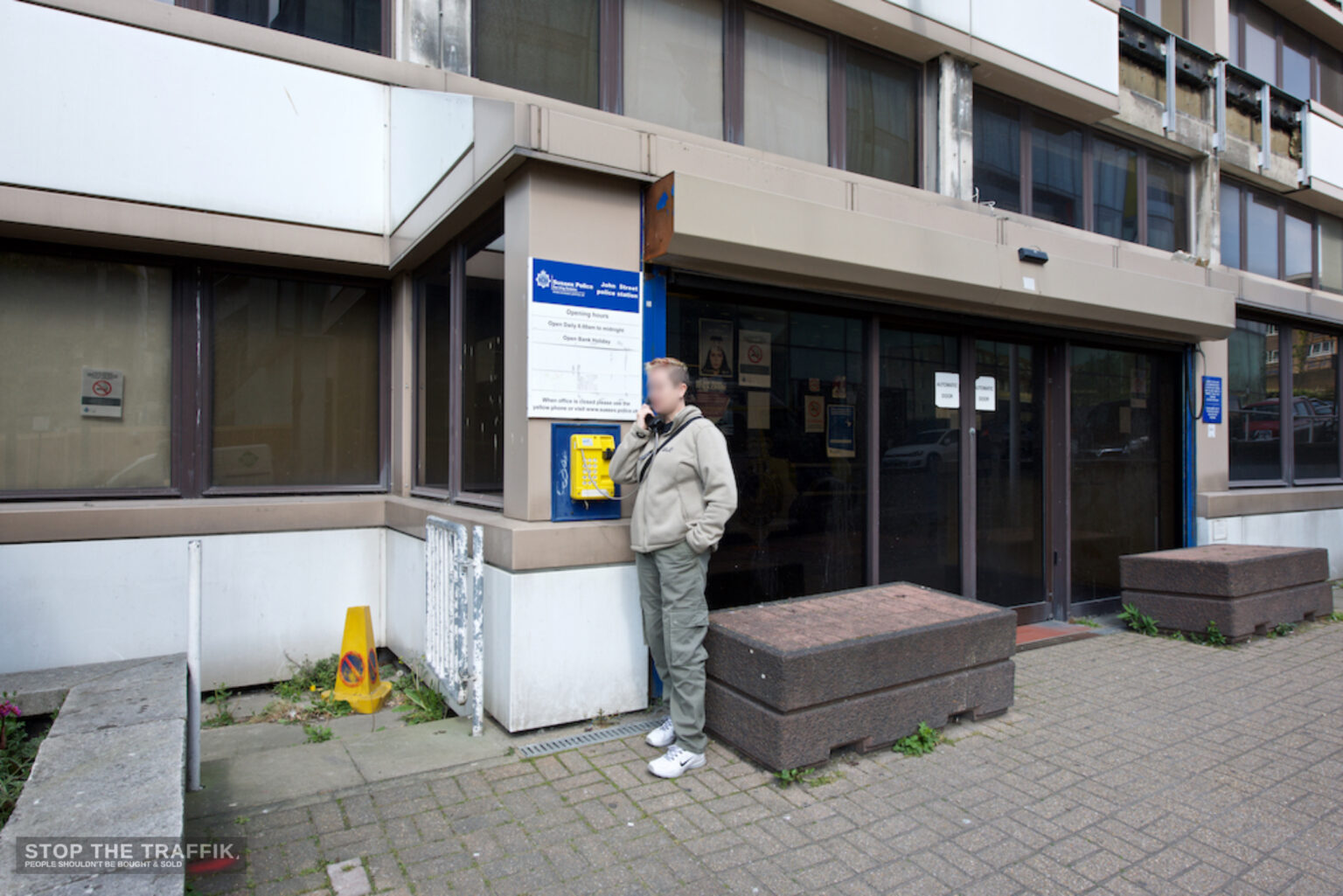
When a Police Station is open you are able to enter the front office and speak to a Police Staff member who will assist you to report a crime.
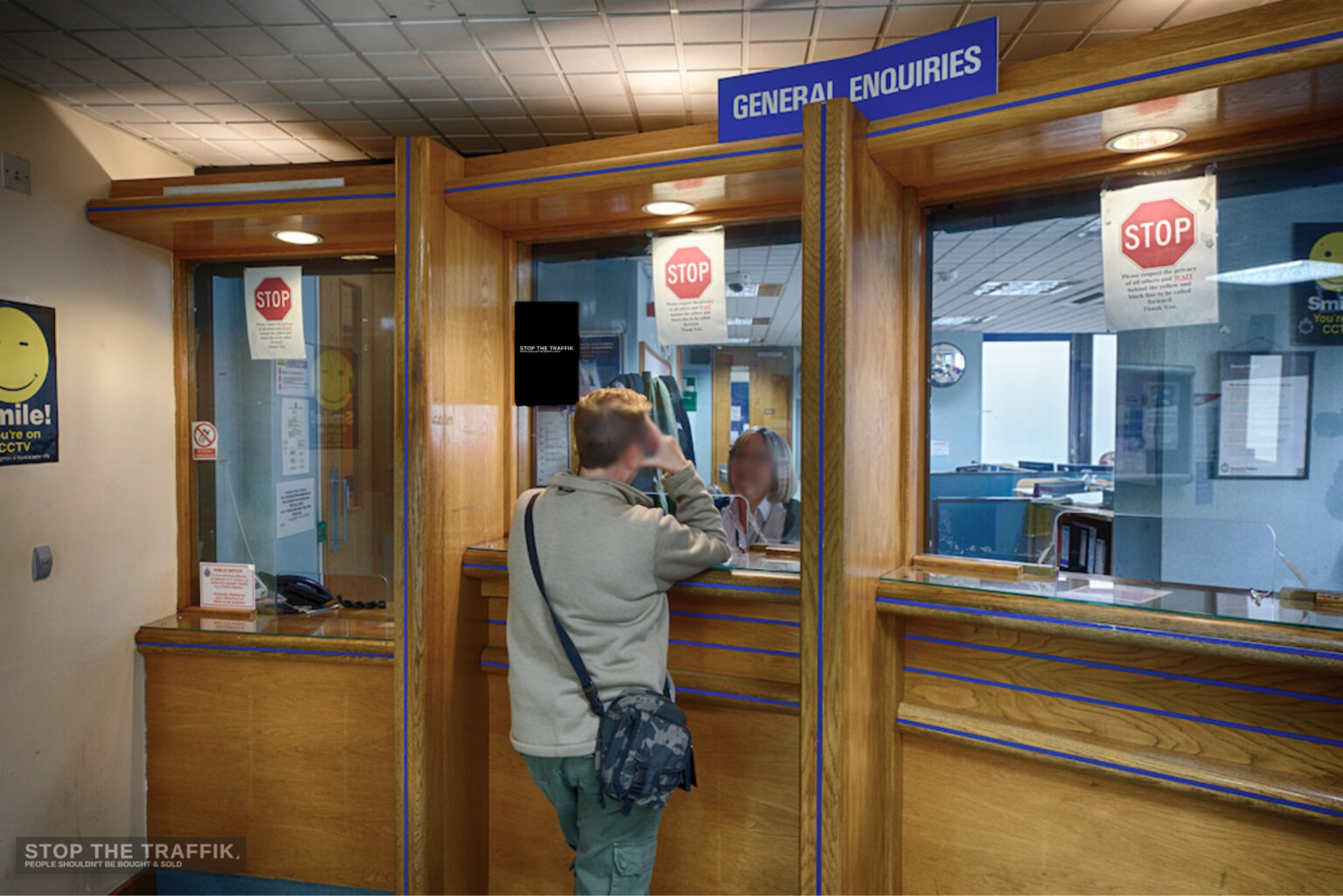
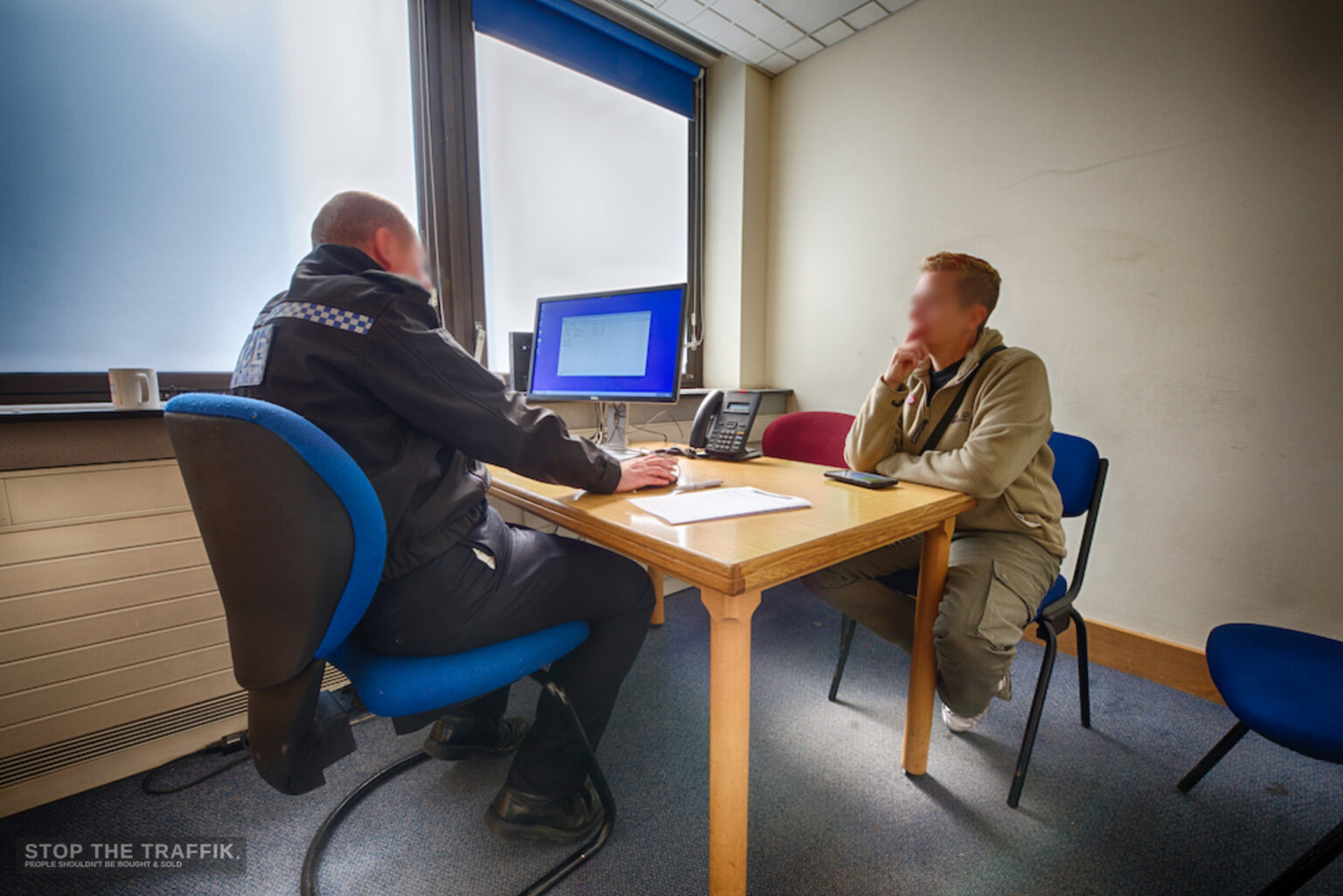
This officer is writing a statement on your behalf about the crime you were involved with in an interview room. If you are unable to come to the police station an officer may attend your home address.
A statement you give may lead to what is called a secondary investigation. Where further evidence is collated from potential witnesses, cctv.
An arrest or interview may occur on a potential suspect.
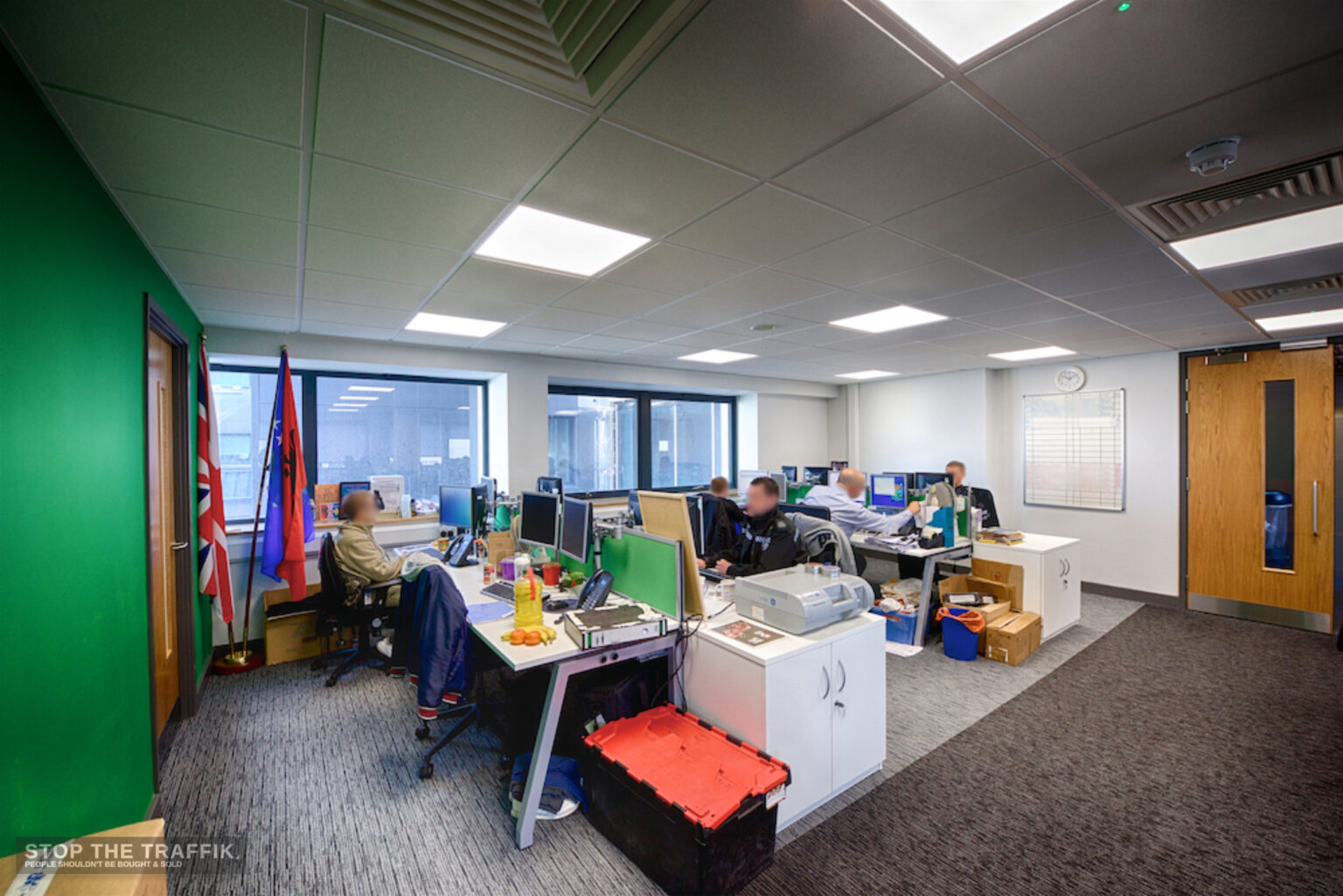
A ‘behind the scenes’ view of a Police Officer and Police Staff working area.
In Custody - Being Arrested
In certain circumstances the suspect has to be arrested and taken to their nearest available custody centre.to help establish the facts of an alleged crime.
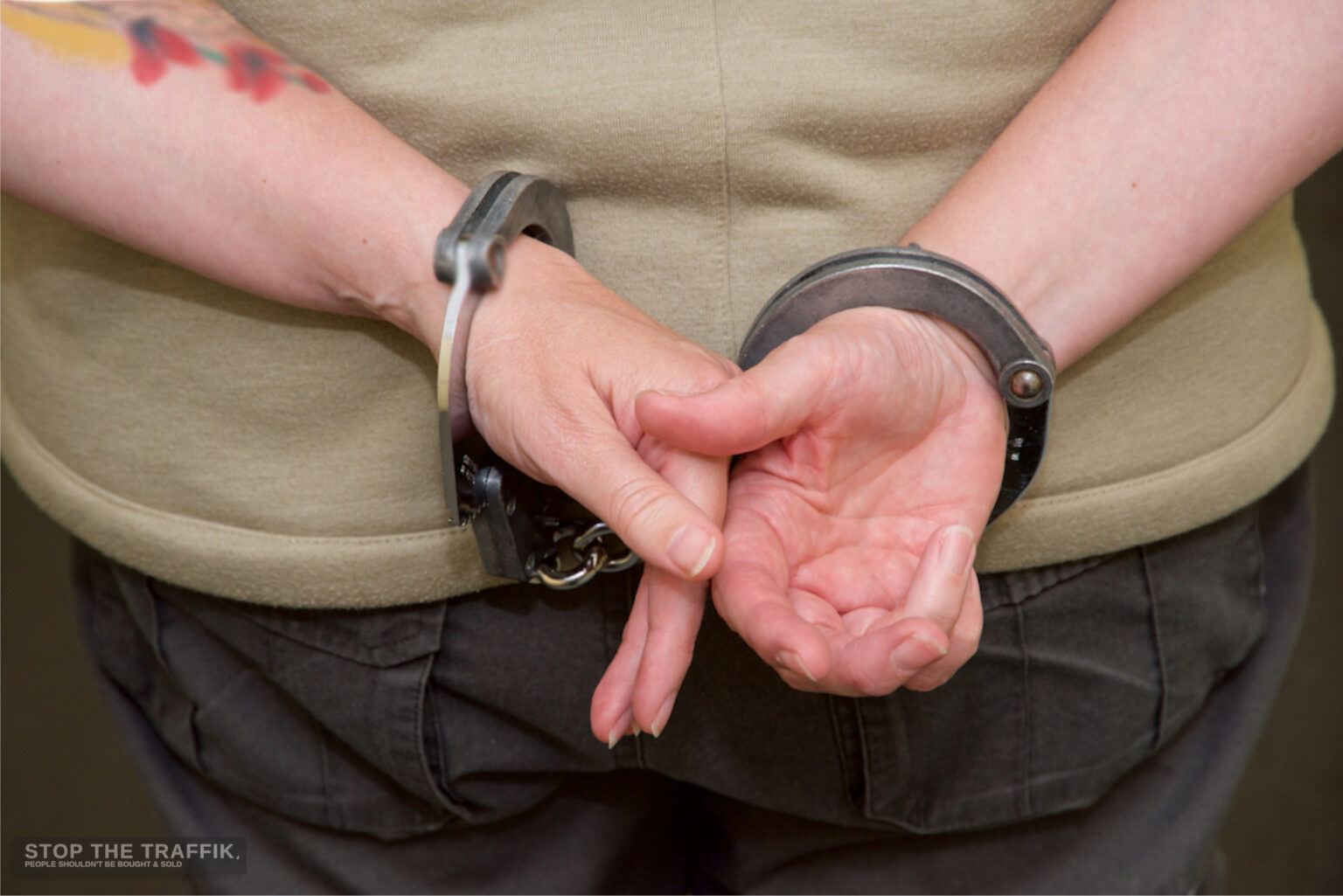
Being handcuffed is required for the safety of the detained person and others to prevent escape and prevent damage to property. Handcuffs are uncomfortable but should not cause injury.
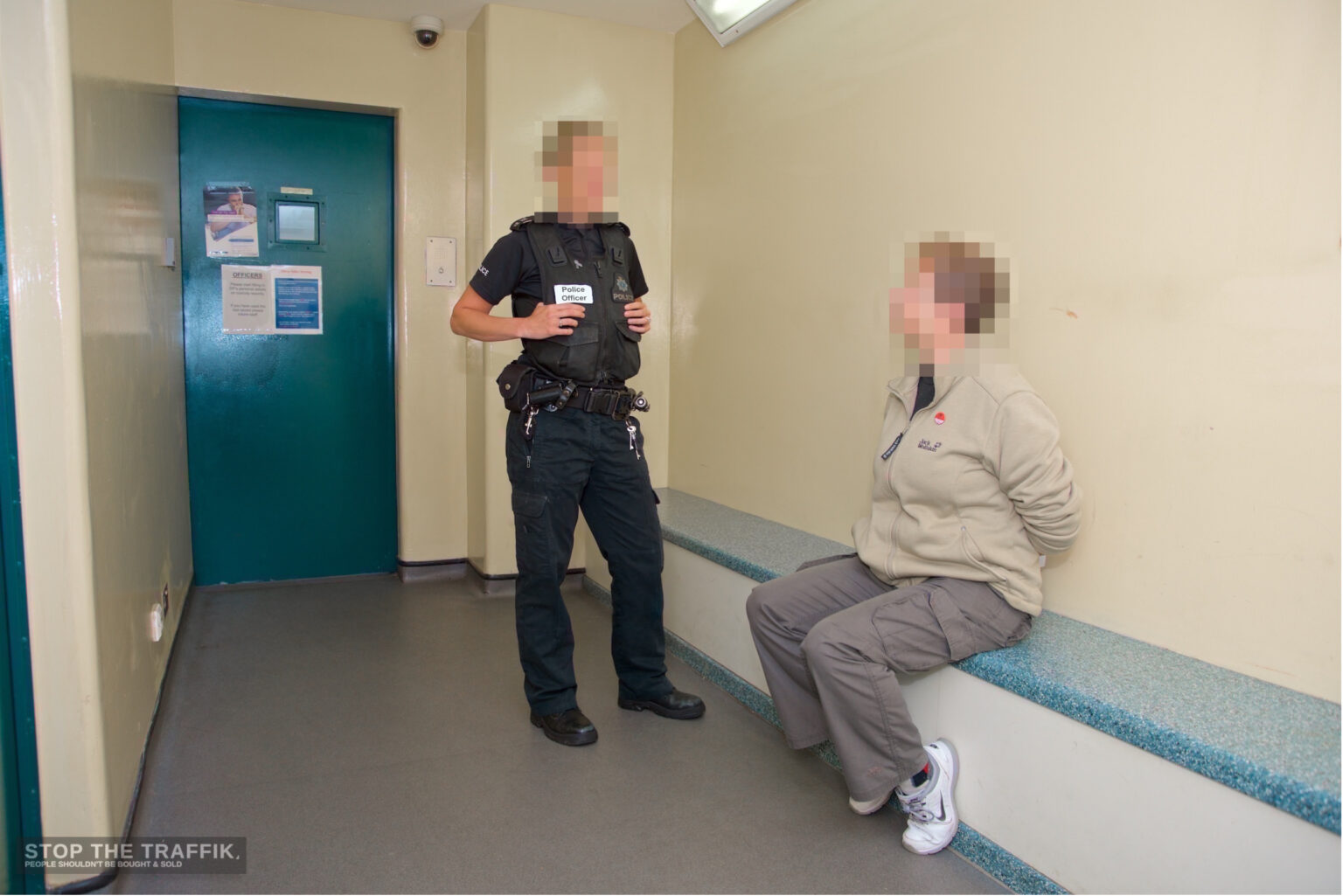
When you arrive at the police station you are placed into a holding area.
The officer will write your details onto a form and will list the reason for your arrest.
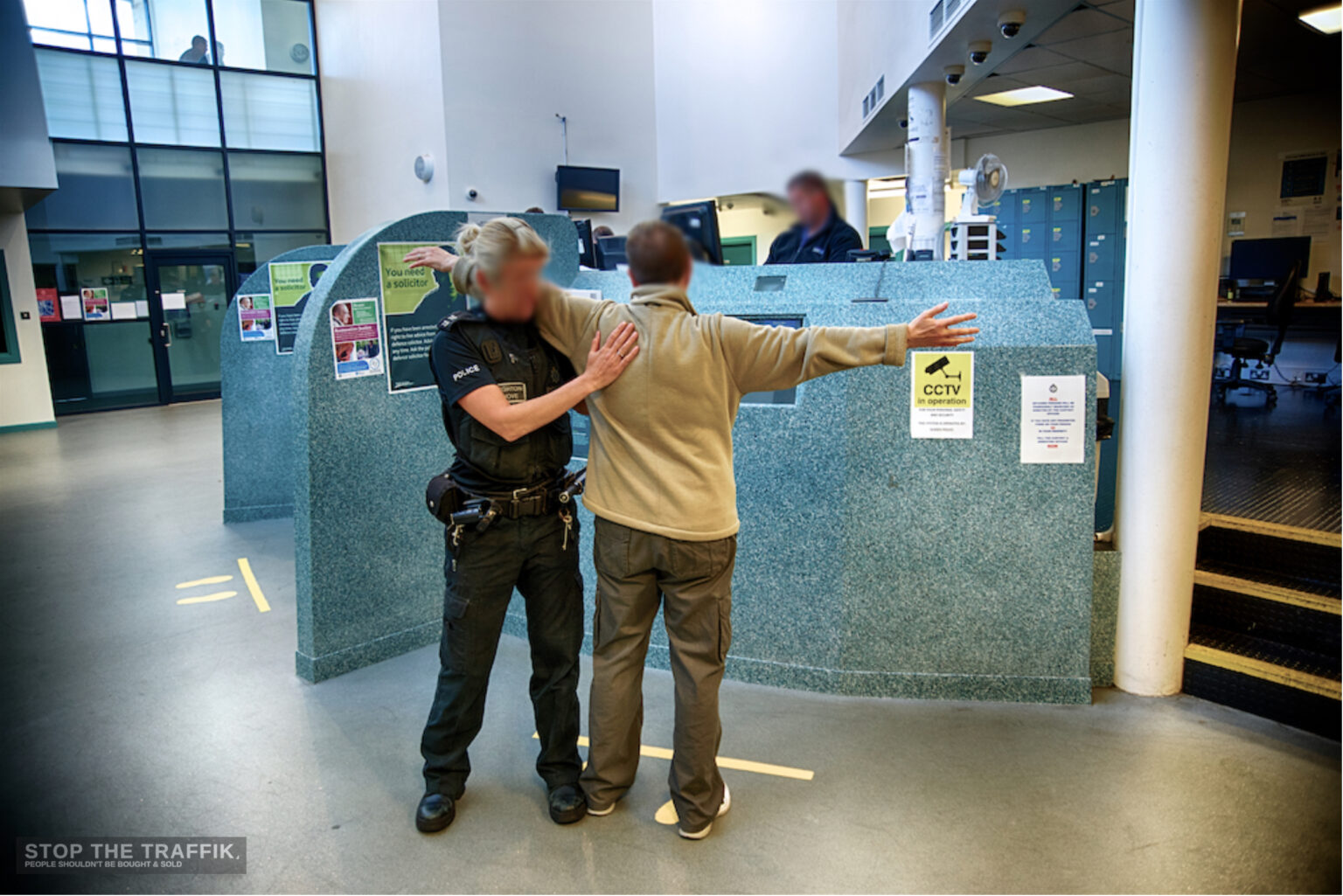
Being searched by an officer
You will be presented to a Custody Sergeant or detention person at the Custody Reception Desk. There primary role is your welfare and to ensure you are kept safe and well whilst you return in detention. They have no part in the investigation of the crime you have been allegedly been involved with. All detained persons are searched prior to going into a cell and your personal details are entered on to a computer for later use.
Your property is listed and locked away. These are given back upon your release.
On occasion items and clothing are taken from you and seized by the police, as they may be linked to the offence that you are suspected of.
Items such as belts and shoelaces are removed personal safety.
On most occasions your fingerprints and a DNA sample (usually a mouth swab) will be taken from you and checked against the Police National Database.
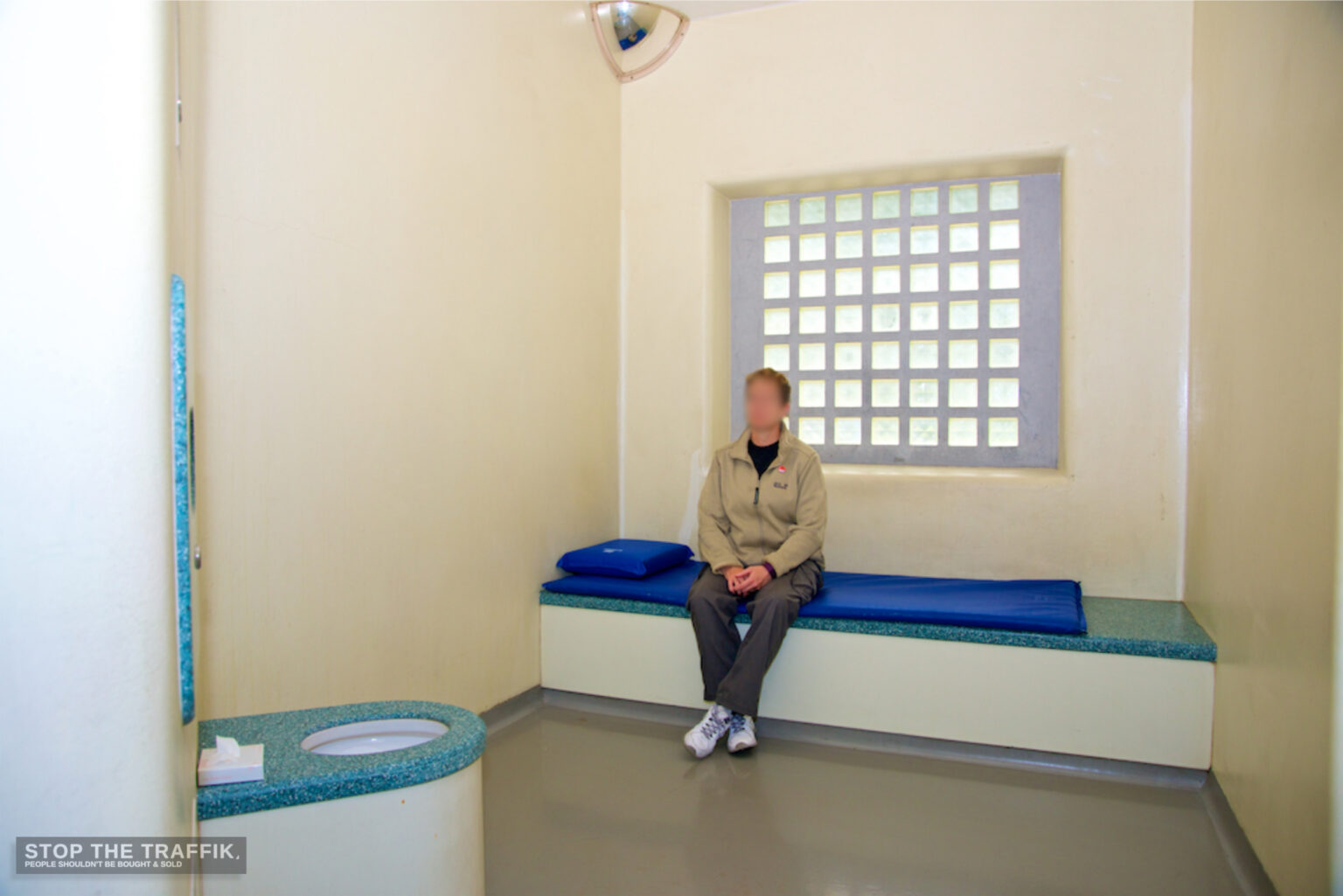
Waiting in the Cell
After you have been searched and your details of who you are have been taken, you are then be placed in a cell. It has a toilet and sink. There is also a Dry Cell with no running water. A CCTV camera will be monitoring you all the time to ensure your safety and wellbeing. If you are waiting in the cell for a long time, food and drink will be given to you. Reading material maybe given to you, if requested.
You will never be placed in a cell with another person.
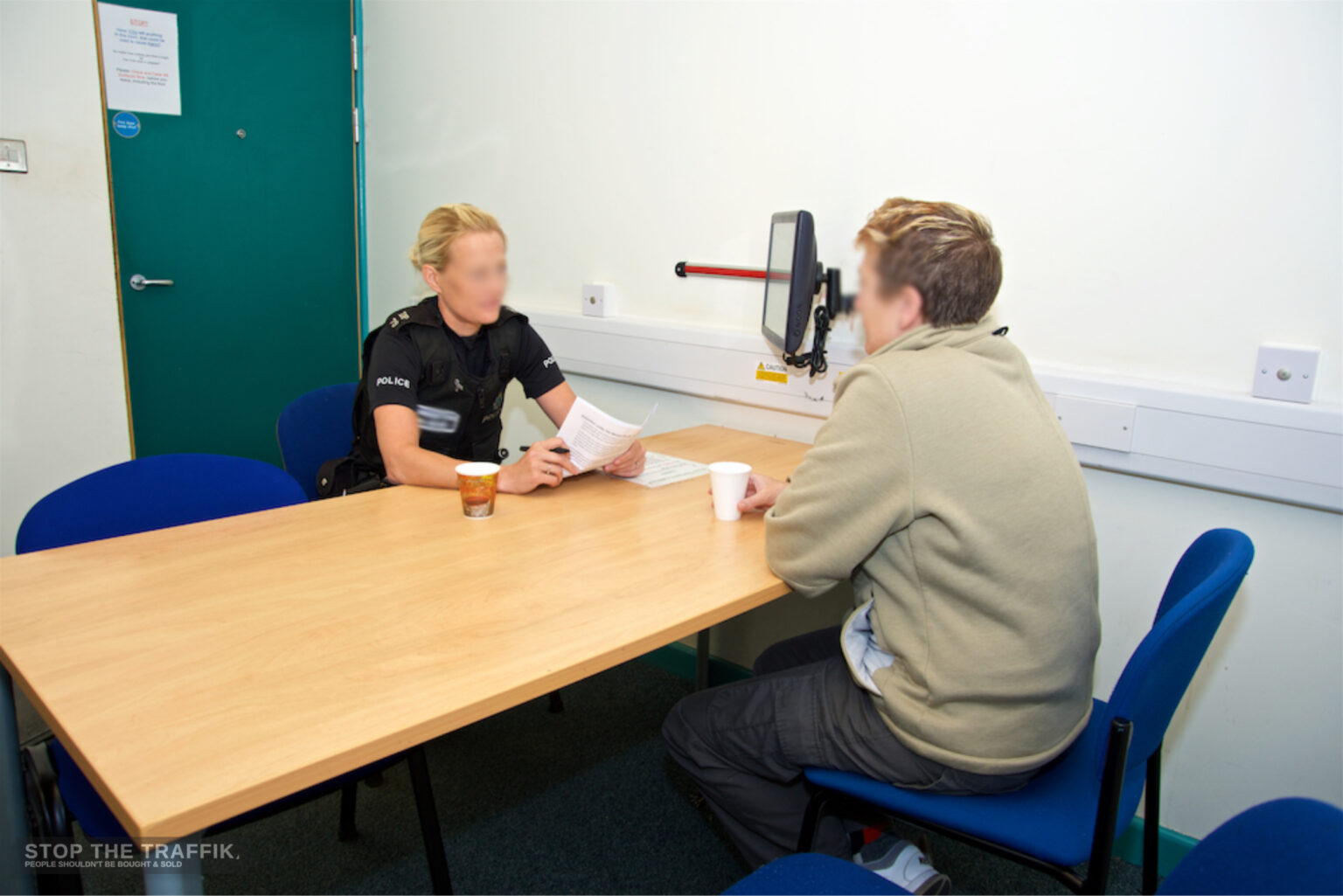
Being interviewed in a room
The next stage is an interview in a room. All interviews are audio recorded and on some occasions video recorded.
You may have to have an interpreter if English is not your first language.
Some interviewees request a legal representative. A duty solicitor is available 24 hours a day, who will ensure you are given independent legal advice free of charge.
After the interview
After the interview a decision has to be made on the case.
These are the following options of what happens next:
1 – Released without charge. Which means there is insufficient evidence to proceed with the case.
2 – You are issued with a Community Resolution (Community Resolution is the term for the resolution of a minor offence or anti-social behaviour incident through informal agreement between the parties involved, as opposed to progression through the traditional criminal justice process) or Penalty Notice for Disorder..
3 – Receive a Police Caution or in case of a child a referral to the Youth Offending Team.
4. Released on Police Bail to return to the Police Station at a later date, so that further enquiries can be made by the investigating officers.
5 – You will be Charged with offence if there is sufficient evidence to proceed and there are no out of Court Disposals available.
Following a charge you will be either Released on Court Bail to attend a Court date or in certain circumstances you will be remanded in Custody.
Remember even if charged you are assumed innocent until proven guilty in a Court of Law.
Depending on the offence you may have to attend a Magistrates Court for plea hearing and then a trial if you decide to plead ‘Not Guilty’.
If the case is serious the Crown Court with a jury will be arranged.
INFORMATION FOR FAMILIES, FRIENDS AND CARERS When a person is involved with police and criminal justice system —> CLICK HERE
Please note: These photographs are staged with the help of officers and staff from Sussex Police, who we would like to thank them for their time and support in making this virtual police station and Custody Centre.